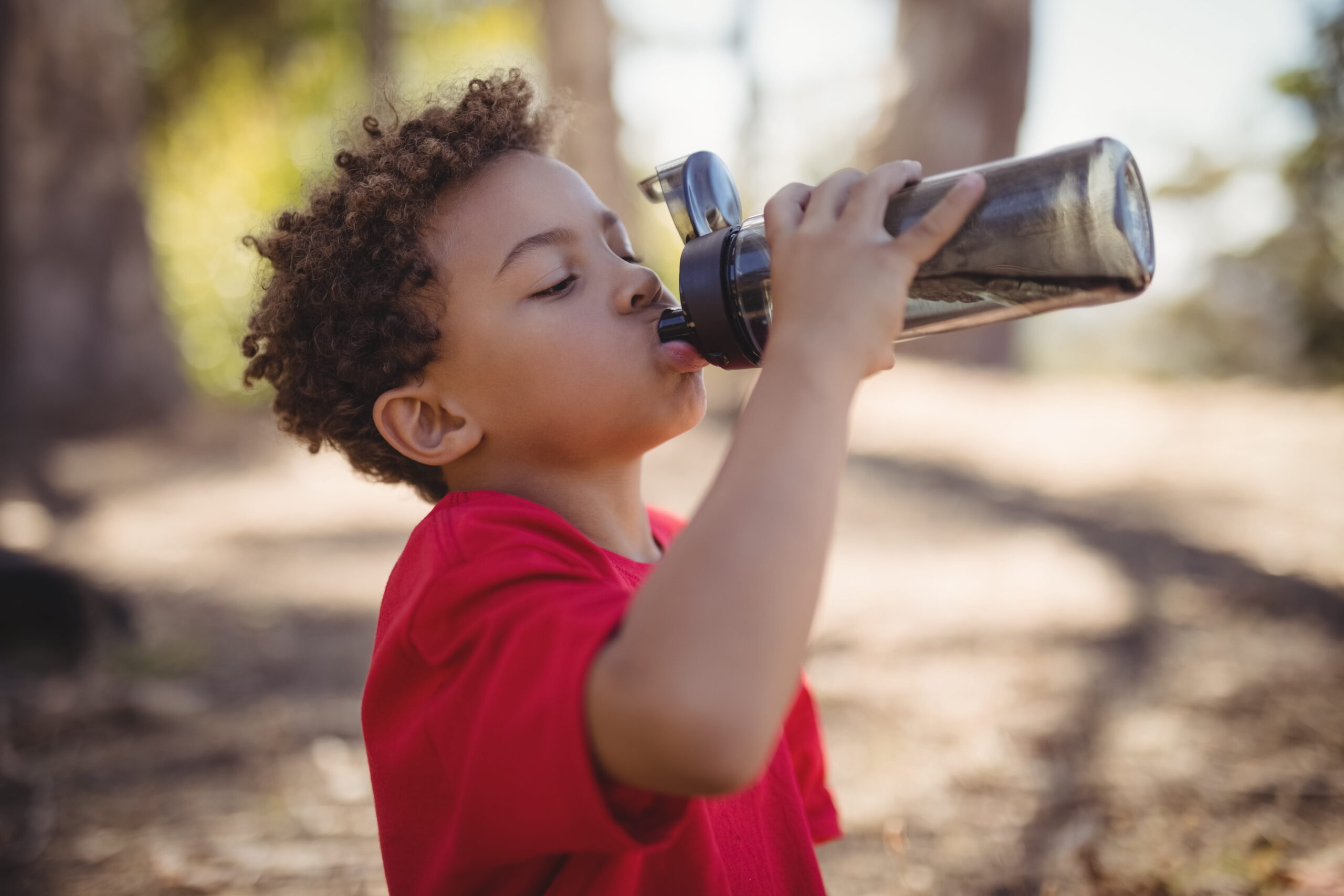
Florida summers do not exactly ease into fall. Even after the first bell rings, kids are still walking to bus stops, sitting through PE in gyms without air conditioning, and running around at afternoon practice under a sun that has no interest in cooperating with the school calendar. Parents pack the lunch, check the backpack, and send their child off, but water intake is one of those things that quietly slips through the cracks until a kid comes home with a headache, a sour stomach, or worse.
Hydration is not just a summer talking point. It is a daily variable that changes how a child concentrates in class, performs on the field, and feels by the time the final bell rings. Getting it right does not require a science degree, just a clear idea of how much water kids actually need and what their bodies are telling them when it is not enough.
Kids Overheat Faster Than You Think
A child’s body is not just a smaller version of an adult’s. Kids produce more heat relative to their body size during physical activity, yet they sweat less efficiently, which means their internal cooling system has less to work with. Add in the fact that many children do not recognize thirst until they are already behind on fluids, and it becomes clear why heat affects them faster and more intensely than it does the adults supervising them.
- Children have a higher surface-area-to-body-mass ratio, so they absorb heat from the environment more quickly
- Their sweat glands are less developed, limiting natural cooling
- Kids often get distracted during play and forget to drink until they already feel unwell
- Thirst is a delayed signal, by the time a child feels thirsty, mild dehydration may have already started
What Local Schools Are Already Watching For
Pasco County schools have been paying close attention to this exact issue. During recent heat advisories, district athletic programs have leaned on Wet Bulb Globe Temperature readings, a measurement that factors in humidity, wind, and radiant heat rather than just the number on a thermometer. Depending on what that reading shows, practices might move indoors, hydration breaks get added, or outdoor activity gets shortened or delayed altogether.
That level of monitoring at school is reassuring, but it only covers the hours a child is on campus or on the field. The rest of the day, hydration is on the family. Knowing that schools in Trinity and Port Richey are already adjusting for heat is a good reminder that if the district is taking it seriously, parents should be building the same habits at home.
How Much Water Does Your Child Actually Need?
The old advice of eight glasses a day was never built with kids in mind, and it definitely was not built for a Florida afternoon. Water needs shift with age, activity level, and how much time a child spends outside.
- Ages 4 to 8: roughly 5 cups of fluids per day, more on active or high-heat days
- Ages 9 to 13: around 7 to 8 cups daily, closer to 9 to 10 for kids playing sports
- Teens 14 and up: 8 to 11 cups a day depending on activity, with active teen athletes often needing more
- Add roughly one extra cup of water for every 20 to 30 minutes of vigorous outdoor activity in the heat
These numbers are starting points, not strict rules. A kid running drills at soccer practice in August needs noticeably more than a sibling sitting through an indoor art class.
The Warning Signs Parents Often Miss
Dehydration in kids rarely looks dramatic at first. It tends to show up in small, easy to dismiss ways, and by the time it becomes obvious, a child is already fairly deep into it.
Early Clues Worth Paying Attention To
A child who seems unusually cranky, tired, or foggy after school may not be having a rough day emotionally, they may simply be running low on fluids. Dry lips, a flushed face, or fewer bathroom trips than usual are also easy signals to catch if you know to look for them.
When It Becomes A Bigger Concern
- Dark yellow urine or noticeably less frequent urination
- Dizziness, headache, or muscle cramps after activity
- Nausea or vomiting following time outdoors
- Skin that feels unusually warm and dry, without sweating
If your child shows several of these signs at once, especially after outdoor practice or play, it is worth getting them cooled down, hydrated, and checked out rather than waiting to see if it passes on its own.
Building Hydration Habits That Actually Stick
Telling a nine-year-old to drink more water rarely works on its own. Kids respond better to habits that are built into their routine rather than reminders they have to remember on their own. Send a reusable water bottle with clear ounce markings so kids can track their own progress throughout the day without needing an adult to prompt them. Freezing a bottle overnight also keeps water cold well into a hot afternoon practice, which makes a real difference in how much a child actually wants to drink.
Pack water-rich snacks alongside the usual lunchbox staples. Watermelon, cucumbers, oranges, and grapes all carry a surprising amount of water and give kids a second source of hydration that does not rely on remembering to sip from a bottle. Setting a house rule of a full glass of water before and after any outdoor activity, sports included, builds a habit that eventually happens without being asked.
Come See Us In Trinity Or Port Richey
Heat-related illness in kids can escalate quickly, and it is not always easy to tell from home whether a child is dealing with simple dehydration or something that needs medical attention. Family Medical Centers has offices in both Trinity and Port Richey, and our teams see this exact situation walk through the door all summer and fall long, especially once fall sports ramp up and the Florida heat has no intention of backing off.
If your child has been dealing with headaches, fatigue, cramping, or anything that feels off after time outside, do not wait it out and hope it resolves. Bring them in, let us take a look, and get a plan in place before a hot afternoon turns into a bigger problem.